Small plumbing issues inside commercial buildings often develop without immediate notice. Drips or slow drainage often do not feel urgent when daily operations continue uninterrupted. Ageing underground infrastructure changes the risk profile entirely. Pipes installed decades ago were never designed for modern usage patterns or higher occupancy under current regulatory expectations. What begins as a minor fault can develop into a disruptive failure with little warning.
Commercial properties depend on sewer networks that remain largely unseen. Deterioration occurs out of sight, influenced by material fatigue and soil movement combined with years of chemical exposure. Ignoring those conditions allows damage to progress unchecked until service interruption and health concerns force immediate action.
How Ageing Pipes Create Hidden Vulnerabilities
Older commercial buildings frequently contain sewer materials that have reached the end of their serviceable life. Clay and cast iron pipes, along with early concrete systems, deteriorate gradually through cracking and corrosion followed by joint separation. Tree root intrusion and ground settlement accelerate that decline.
As deterioration advances, internal surfaces roughen and capacity reduces. Waste flow slows and solids accumulate. Minor leaks form along joints and fractures, allowing soil ingress and erosion. Those factors increase the likelihood of sewer line failures in older commercial buildings, especially during periods of peak usage.
Why do Small Plumbing Issues Escalate Inside Commercial Sites?
Commercial environments place sustained demand on drainage systems. Restrooms and kitchens discharge waste continuously throughout operating hours. The business risk of ageing sewer systems increases as pipes struggle to handle consistent loading.
Pressure fluctuations and vibration from surrounding infrastructure worsen existing defects. In ageing sites, sewer line repair planning is often required sooner than expected to prevent system-wide impact. A small blockage or partial collapse restricts flow further. That restriction can trigger backups affecting multiple tenants or departments. At that stage, sewer line repair often becomes unavoidable and more disruptive than early intervention would have been.
Which Warning Signs Are Commonly Overlooked?
Early indicators of sewer deterioration aren’t typically seen as dramatic events. They appear gradually and inconsistently, making them easy to dismiss.
Common signs include:
- Recurring slow drains affecting multiple fixtures
- Sewer odours appearing intermittently indoors
- Gurgling sounds during discharge events
- Localised dampness near floor drains or foundations
Each symptom points toward signs of deteriorating commercial sewer lines that require professional assessment and may indicate the need for sewer line repair before failure occurs. Ignoring these indicators allows internal damage to progress until emergency sewer line repair becomes the only option.
How Does Pipe Age Influence Repair Requirements?
The age of sewer infrastructure directly affects repair requirements. Older layouts often lack modern access points or accurate documentation. Materials may no longer meet current code standards, limiting repair methods.
Excavation around ageing pipes carries higher risk due to surrounding soil instability and adjacent utilities. Partial fixes may provide short relief while leaving weakened sections unaddressed. Comprehensive sewer line repair planning becomes essential to restore reliable function without repeated disruption.
What Causes Accelerated Sewer Pipe Deterioration?
The causes of commercial sewer pipe deterioration varies depending on building use and environment. Chemical discharge, grease accumulation, and thermal cycling weaken pipe walls over time. Ground movement and poor historical installation practices add further stress.
Moisture migration around compromised joints erodes supporting soil. That erosion increases load on remaining pipe sections. The resulting deformation restricts flow and increases the likelihood of them failing. Understanding these causes supports informed decisions around sewer line repair timing and scope.
How Can Proactive Inspection Reduce Business Disruption?
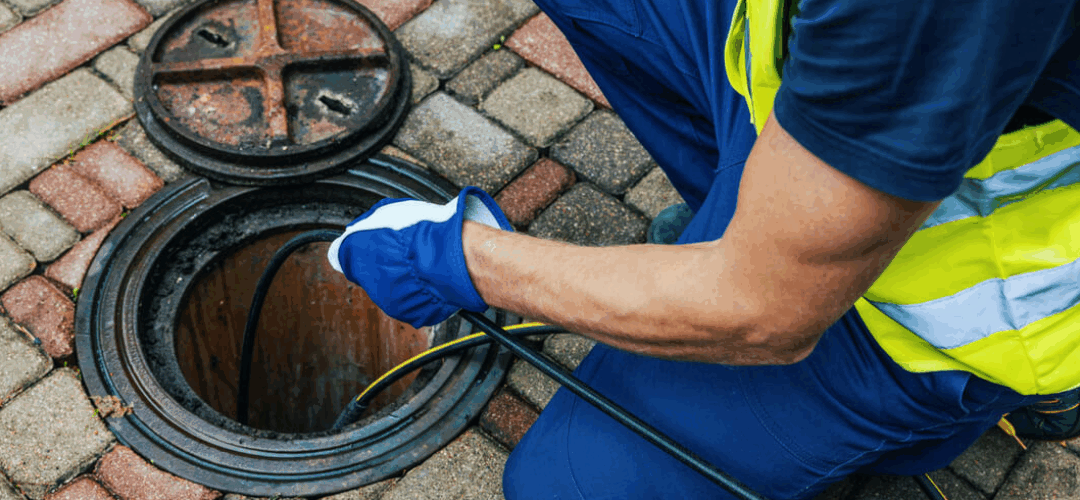
Condition assessment provides insight into hidden pipe health before visible failure occurs. Camera inspection identifies cracking and offset joints, along with corrosion and internal obstructions within ageing systems.
Inspection findings allow property managers to plan sewer line repair during controlled maintenance windows. That approach limits operational impact and avoids unplanned shutdowns. Proactive evaluation supports continuity across multi-tenant commercial environments.
Which Commercial Properties Carry Higher Sewer Risk?
Certain types of buildings experience accelerated sewer wear that increases the likelihood of sewer line repair being required during operational periods. High-occupancy facilities and food service locations, along with older mixed use properties, generate heavier waste loads.
Risk factors include:
- Buildings constructed before modern sewer materials became standard
- Sites with extensive landscaping near underground lines
- Properties with documented history of drainage issues
Each factor increases exposure to sewer line failures in older commercial buildings and warrants closer monitoring.
When Does Deferred Maintenance Become Costly?
Postponing sewer maintenance compounds deterioration. Small defects expand as surrounding materials weaken. Repairs that could have been isolated become extensive.
Emergency sewer line repair typically involves expedited labour and after-hours access combined with reactive excavation. Those conditions increase cost and business disruption. Addressing issues earlier keeps work predictable and contained.
How Should Commercial Owners Approach Sewer Planning?
Sound sewer management requires viewing underground assets as critical infrastructure. Regular assessment, documentation updates, and prioritised maintenance planning reduce uncertainty.
Integrating sewer line repair into broader facility maintenance schedules supports operational stability. Coordinated planning also reduces conflict with surface activities and tenant operations.
How do Sewer Conditions Affect Compliance Obligations?
Ageing sewer infrastructure can expose commercial property owners to compliance challenges that are often overlooked. Waste handling issues may trigger health inspections, environmental reporting requirements, or lease disputes if sanitation standards are compromised. Even limited sewer failures can place businesses in breach of occupancy or operational obligations.
Clear records of inspection and corrective work help demonstrate responsible management. Addressing deterioration through planned sewer line repair reduces the likelihood of compliance issues arising during inspections or tenant audits.
When Does Sewer Deterioration Demand Action?
Sewer deterioration doesn’t get resolved without intervention. Professional assessment becomes necessary once warning signs appear or infrastructure age exceeds expected service life.
Experienced technicians evaluate system condition, identify deterioration patterns, and recommend appropriate sewer line repair strategies.
Planning ahead allows work to be scheduled during low-impact periods, reducing disruption to occupants and daily operations. Managed intervention also limits secondary damage that can occur when failures are addressed under pressure.
We provide diagnosis-led commercial sewer inspection and repair services delivered by licensed professionals. Scheduling a service at the first sign of deterioration helps protect operations and ongoing system reliability.
Contact us to arrange a professional assessment and discuss next steps.