Most large facilities depend on stable indoor conditions to support daily operations and predictable running costs. Heating and cooling only receives attention when complaints arise or failures occur. Underperformance develops gradually as systems age and usage patterns change, with maintenance frequently becoming reactive.
Business owners assume comfort issues stem from occupancy levels or building layout. But performance limitations within the system itself is also responsible. Identifying those limitations early helps prevent wasted energy and dissatisfied occupants, reducing unnecessary disruption.
How do Performance Problems Develop Inside Commercial HVAC Installations?
HVAC performance issues in commercial settings usually emerge through incremental mechanical degradation. Components wear unevenly as demand changes and airflow balance degrades as heat exchange surfaces lose efficiency.
An HVAC system that once met design expectations may struggle to sustain stable conditions as loads increase. Fans operate longer, compressors cycle more frequently, and control responses become less predictable. These patterns indicate declining performance that affects the entire building environment.
Which Office Conditions Suggest Underperformance?
Signs that HVAC systems are underperforming in office buildings show in occupants reporting uneven temperatures and persistent drafts.
Operational indicators include:
- Temperature variation between adjacent zones
- Extended run times during moderate weather
- Rising utility charges without a change in occupancy
- Frequent manual thermostat adjustments
Each symptom suggests the HVAC system is compensating for underlying performance limitations.
Comfort complaints increase during peak occupancy periods, even when outdoor conditions appear moderate. That points toward internal distribution problems instead of external weather influence. Facilities teams may also notice informal workarounds developing, such as portable heaters or desk fans, which further disrupt balance and place additional load on the system.
How Does HVAC Output Influence Workplace Comfort Levels?
Indoor comfort depends on consistent temperature control and stable humidity, reinforced by adequate air circulation. An HVAC system operating below capacity struggles to sustain those conditions across a full workday.
Inconsistent comfort reduces concentration and productivity suffers as employees adjust workspaces or request temporary fixes. The HVAC system impact on business comfort and costs becomes apparent through increased service calls and administrative time spent managing complaints.
Discomfort also affects space utilisation. Meeting rooms or open plan zones may be avoided due to temperature inconsistency. That reduces the functional value of the building and creates operational friction.
Which Cost Patterns Indicate Performance Decline?
Energy consumption trends frequently reveal hidden inefficiencies. Equipment operating longer to achieve the same output draws additional power and accelerates wear.
Utility bills rise as fans and compressors remain active for extended periods. Maintenance costs increase due to frequent component replacement. An HVAC system under strain frequently incurs higher operational expense without delivering improved comfort.
Budget forecasting becomes more difficult as energy consumption fluctuates unpredictably. Financial planning suffers when utility costs fail to match with seasonal expectations or occupancy levels. Those patterns frequently indicate performance degradation that warrants closer technical review.
How Can Building Owners Assess Commercial HVAC Efficiency?
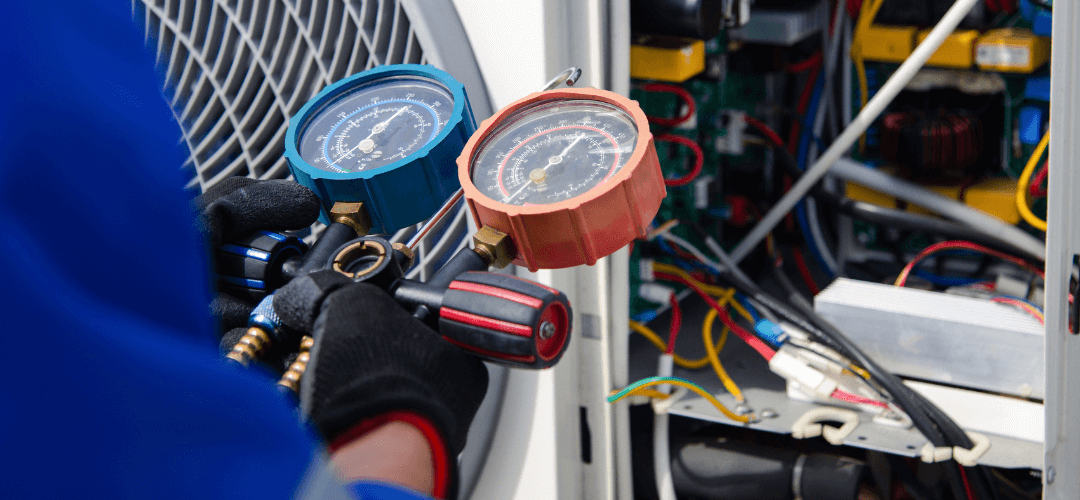
Understanding how to assess commercial HVAC efficiency begins with performance data instead of nameplate ratings. Runtime analysis and temperature recovery times, as well as airflow measurements, provide insight into actual operating behaviour.
Inspection focuses on coil condition and duct leakage, as well as control accuracy. Load distribution across zones is reviewed to identify imbalance. These assessments help determine whether performance issues stem from equipment condition or system design.
Benchmarking current performance against historical operating data provides additional context. Comparing runtime patterns and temperature recovery, together with zone stability, highlights where deterioration has occurred. That evidence helps informed decision making around planning for adjustments or upgrades.
Which Issues Limit Performance?
HVAC problems and solutions in commercial settings vary by system type and building use. However, certain mechanical faults appear consistently across ageing installations.
Common limitations include:
- Restricted airflow due to fouled filters or duct issues
- Heat exchange degradation caused by contamination
- Control valve and damper faults affecting distribution
Addressing these issues restores predictable operation and reduces unnecessary energy use.
How do Control Systems Contribute?
Modern commercial buildings depend heavily on automated control logic. Poorly configured sequences lead to short cycling, simultaneous heating and cooling, or delayed response to occupancy changes.
An HVAC system with outdated or mismatched controls expends energy correcting its own operation. Reviewing control strategies help confirms equipment responds proportionally to demand across occupied and unoccupied periods.
How do Building Layout Changes Affect HVAC Performance?
Many facilities seldom remain static after initial construction. Office reconfigurations alter airflow demand and load distribution across zones. Partitioning adjustments and added workstations can create areas of over and underconditioning.
Supply and return paths may no longer match with current layouts, placing strain on fans and controls. Reviewing how the HVAC system serves the building as it exists today helps identify performance limits caused by layout change instead of mechanical failure.
How Can Targeted Upgrades Improve Building Performance?
Selective upgrades frequently deliver measurable improvement without full replacement. Variable speed drives, modern sensors, and updates to controls enhance responsiveness.
Upgrades matched with actual building usage improve consistency and energy management. An HVAC system configured for current operational needs helps predictable performance across working hours.
What Maintenance Practices Support Reliable Operation?
Preventative maintenance focuses on inspection and adjustment, reinforced by verification. Regular servicing sustains airflow balance and heat transfer efficiency.
Maintenance records support informed planning and reduce reactive intervention. An HVAC system receiving consistent attention performs more reliably and helps stabilise operating conditions.
Structured maintenance programmes also support accountability. Documented inspections and measured adjustments provide confidence that performance is being managed proactively.
Key maintenance focus areas include:
- Verification of airflow balance
- Review of control setpoints against current occupancy patterns
- Inspection of wear-prone components
When Should Business Owners Take Action?
Persistent complaints over comfort and rising energy costs, together with frequent service visits, indicate declining performance. Waiting for failure only increases disruption and expense.
Planning ahead allows building owners to manage work on their own terms instead of reacting under pressure. Scheduling inspections during quieter operational periods limits disruption to occupants and reduces conflict with regular activity. Taking a measured approach also allows budgeting decisions to be made with better visibility, avoiding rushed decisions driven by unexpected system problems.
Contact us to schedule an assessment and help confirm your building systems support productivity and comfort.